Sculptor

Textured 3D Models from Text or an Image

Generate detailed, textured meshes for characters, creatures, plants, and organic props from text or a reference image.

Sculptor generates detailed, textured models from text or an image.

AI 3D generation for organic forms

Sculptor turns a visual idea into a 3D mesh with texture maps. Its focus is continuous shape and surface appearance: a character’s silhouette, the folds of clothing, the rounded form of a plush toy, or the irregular surface of a rock.

Generate from text or one image

A text prompt first produces a reference image, which becomes the basis for the 3D model. An existing image can also be supplied directly. Each model generation uses one reference view to guide the subject’s shape, colors, and style.

Geometry and textures

Sculptor generates a single textured mesh, including surface details such as fabric, fur, and scales.

Refine the material appearance

After generation, the surface finish can be developed further. Color, fabric, metal, and wear give the same subject different visual treatments.

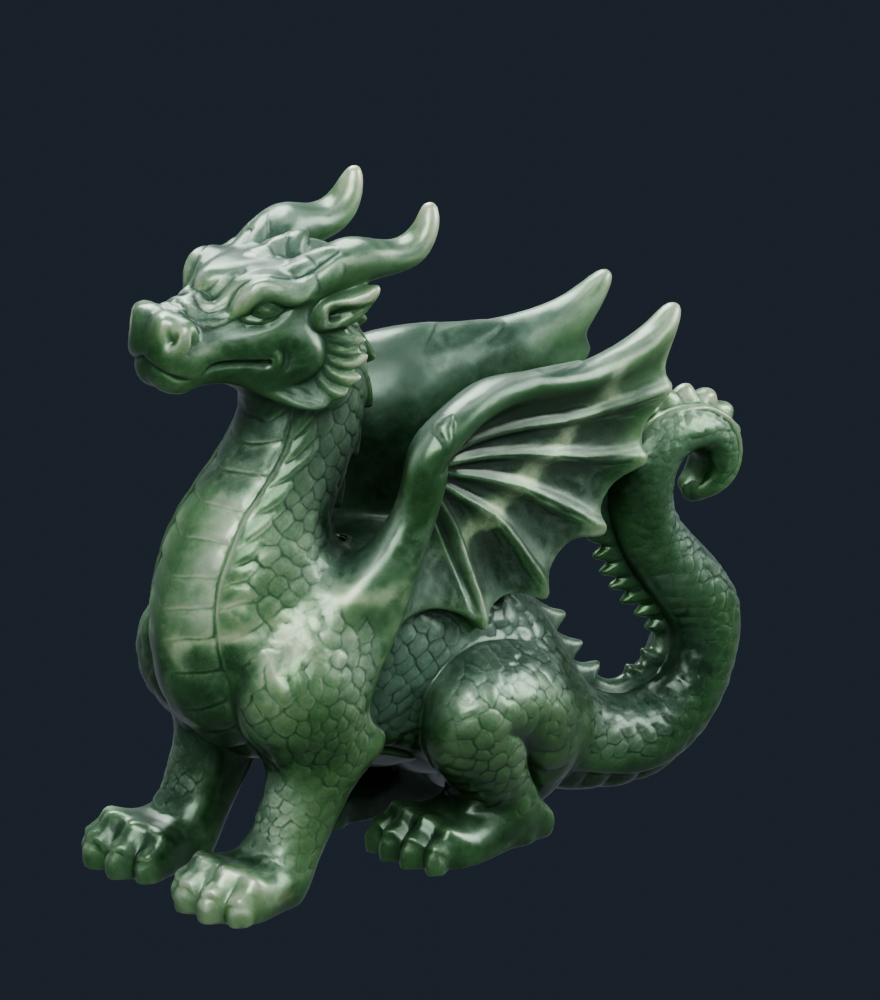
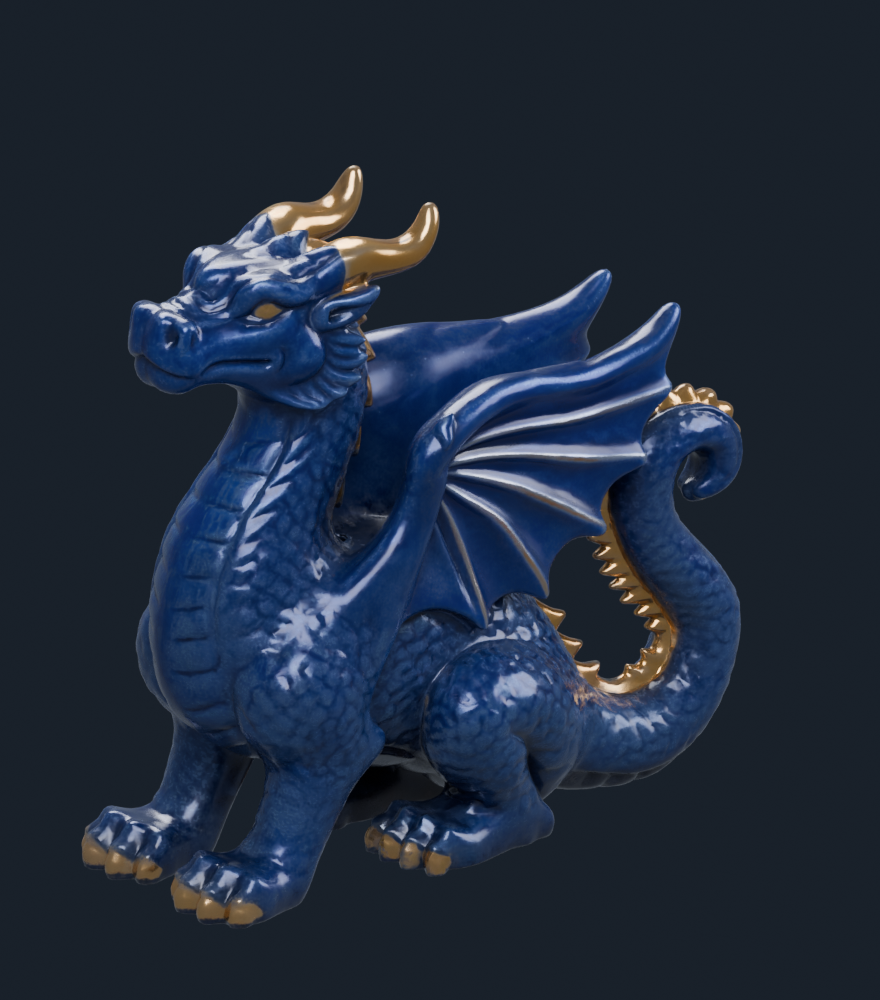
Texturer changes materials while preserving the model’s shape.

Before and after Texturer.

Writing a Sculptor prompt

One or two clear sentences give the reference image a focused direction. A single subject, a readable pose, and a few visible material cues provide a useful starting point.

  1. Subject and silhouette

    Describe the subject and its defining proportions. Show the whole character or object in the reference image.

  2. Pose and viewpoint

    Describe a visible pose or three-quarter view. Keep limbs and important features distinct in the reference.

  3. Materials and style

    Choose a consistent treatment, such as stylized leather and brass, soft plush fabric, or weathered stone.

Example generation prompt

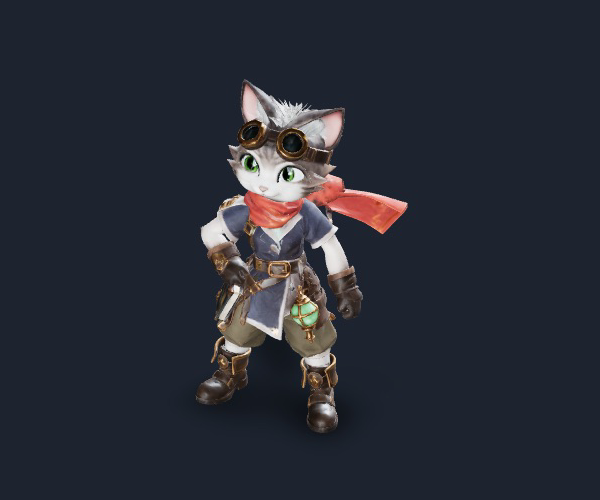
A full-body steampunk cat adventurer in a three-quarter view, wearing brass goggles, a red scarf, and leather boots. Stylized proportions, a small green potion bottle at the belt, and a plain background.

For image input, use a clear view of the complete subject.

Characters, creatures, and environment assets

Text-to-3D and image-to-3D generation support early visual exploration and asset creation for games, web scenes, and 3D visualization.

Characters and creatures

Stylized mascots, humanoid characters, and creatures whose identity comes from silhouette, clothing, and surface detail.

Organic and sculptural props

Plush toys, statues, food, and decorative objects with rounded, irregular, or flowing shapes.

Natural environment assets

Plants, rocks, and other natural forms that can be arranged into larger scenes in a destination application.

Mesh preparation

Remesh adjusts the triangle count directly on a Sculptor result. For characters and creatures, Rigging adds a skeleton and skinning weights for posing and animation workflows.

Check scale, materials, topology, and any rig deformation in the destination application. Triangle budgets and animation requirements depend on the scene and target device.

Export and connect the workflow

Download GLB or convert to FBX, OBJ, STL, and USDZ for game engines and 3D tools. STL carries geometry without textures. After Rigging, GLB and FBX exports can carry the skeleton and skinning weights.

  • GLB
  • FBX
  • OBJ
  • STL
  • USDZ
Export documentation

Common questions

Can Sculptor create a 3D model from text?

Yes. A text description first generates a reference image, then Sculptor uses that image to create a 3D mesh with texture maps.

How many reference images does Sculptor use?

Sculptor uses one reference image to generate each model. A clear, complete view of the subject helps establish its proportions and appearance.

Does Sculptor automatically add a skeleton?

Generation produces the mesh and textures. Rigging is a separate operation that adds a skeleton and skinning weights. Poses, animation, and deformation should then be checked in the destination application.

How do Sculptor and Architect differ?

Sculptor focuses on organic and sculptural forms, including characters, creatures, and natural objects. Architect focuses on structured objects with named, editable components, such as furniture, vehicles, and machinery.